A Review of the Bog Wife
I’ve been reading so much “romantasy” lately, that I felt I needed a change of pace. The title grabbed me–whimsical, yet dark and gritty. Bogs don’t exactly summon the same connotations as fae palaces or dragon lairs.
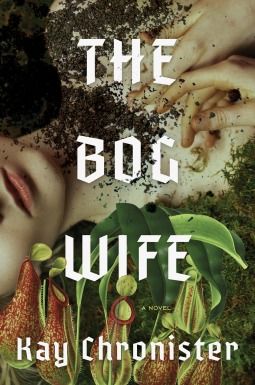
“Perfect,” I thought. “A little whimsy, but set right here in the real world to bring my literary brain back down to earth.” After reading the back of the book, I was satisfied that my first impression from the title was on point and I was headed in the right direction.
I was expecting a whimsical, slightly Gothic fantasy novel with the titular bog wife as a feature character, if not the protagonist. More than halfway through, however, the key feature was the absence of the bog wife. I had wandered into a bog of a book–dark, moist, (in all the “cringiest” senses of the word), with a vague odor of decomposition, and a sense of something or someone lurking just outside the reach of my senses.
While I wouldn’t describe it as a “page-turner”, the pacing served the tone of the novel well. The reader moves through the novel the way one would through a bog–cautiously, quietly, with all the senses open so as not to miss any of nature’s hidden treasures…or dangers. The changes of perspective from one character to another keeps the reader in suspense and forces a sense of imbalance and disorientation as you wonder how much of each character’s perspective is based in reality.
You wander this bog and its house, which is designed to look much older than it really is. In most gothic fiction, I usually find the opposite is true; the ancient try to conceal their decrepitude behind new, youthful facades. The house, though, is not only “faux-old”, but in a state of disrepair. Its residents live in what can best be described as hoarder conditions. Brief glimpses into the smallish town nearby give the reader a shaky bearing, like a North Star that you cannot always see through the treetops. The believability of the isolation of a bog in the Appalachian mountains serves the story well. It is entirely plausible that something so bizarre as the events of this book could occur in these conditions, but the occasional foray into the “real world” of the nearby town ties in neatly with the unreliable narrators. Stepping out of the magic of the bog creates cracks in the myth, leaving both the characters and the reader questioning reality.
Any conventional beauty, especially of nature, is dismissed throughout the book. The reader and some of the characters learn to appreciate unconventional beauty and learn to treasure the balance of the fragile biome that is their birthplace. Characters struggle against the impulse to force nature to bend to their will, instead of allowing it to move and change at its own pace. This parallels the themes of differentiation and of balancing connection with family and home against striking out on your own.
Upon closing the book, the first emotion that comes to mind is one of relief: not so much that the book was over, but that the feelings of imbalance and disorientation were passing. Part of me wished for more magic throughout the novel, but this is due to a recent reading list oversaturated with the supernatural. More importantly, the magic in this novel is like the bog’s beauty itself: unconventional and where you least expect it.
 ELMA Reads a Lot